What If I Told You...You've Been Investing Your Whole Life?
You've been investing your whole life—you just may not have realized it. This Written Crash Course on Investing & Trading in Uncertain Times takes real-life experiences and breaks down investing, trading, ETFs, dividends, and wealth-building into simple, practical lessons anyone can understand. Start your journey today and learn how to make your money work for you instead of just working for money. 📈
INVESTINGTRAVEL
Harold Jones
7/3/20265 min read
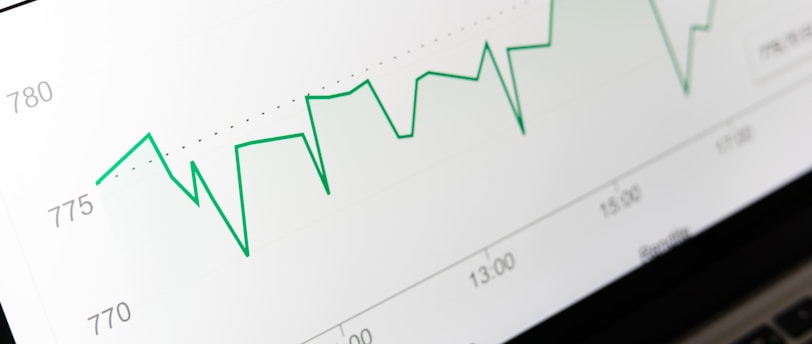

Investing is often narrowly viewed through the lens of the financial market, where individuals envision trading stocks, bonds, or real estate. However, the essence of investing is profoundly broader, encompassing various dimensions of life that yield valuable returns over time. Fundamentally, investing can be understood as the allocation of resources—such as time, energy, or money—with the anticipation of generating future benefits. This broader perspective allows us to recognize the myriad ways in which we engage in investment practices daily.
In our personal lives, every decision can serve as a form of investment. For instance, committing to a healthier lifestyle by adopting nutritious eating habits or engaging in regular physical activity can be viewed as an investment in one’s long-term well-being. Just as with monetary investments, the returns from these lifestyle choices manifest in improved health outcomes, enhanced quality of life, and potentially reduced healthcare costs in the future. By understanding the role of investing in health, individuals can better appreciate the long-term advantages derived from immediate actions.
Moreover, education is another sector where investment takes on a multi-faceted nature. Individuals who invest their time in acquiring knowledge through formal education, skill development, or even personal reading will often benefit from improved job prospects, higher earning potential, and self-improvement in personal fulfillment. This investment in oneself is crucial, as it not only benefits the individual but also contributes positively to the broader community.
It’s essential to bring to light the significance of these everyday investments because they form the foundation of our lives. Recognizing how actions—whether small or grand—serve as investments can motivate one to make more informed choices that lead toward greater success and satisfaction in both personal and professional realms.
Lessons from Real-Life Investments
Throughout my life, I have encountered numerous opportunities that illustrate the essence of investing, not solely in financial terms but also in personal development arenas. A significant chapter in my investment journey began when I started a landscaping business during my teenage years. Initially fueled by a passion for outdoor work and creativity, I quickly learned the intricacies of running a small enterprise.
In the early days, I invested my earnings back into the business. This meant purchasing better equipment, enhancing my marketing efforts, and even taking a course on landscape design. Each dollar reinvested translated into not just improved services but also increased client satisfaction. Consequently, my income grew, showcasing how thoughtful investments can yield considerable returns.
This early experience taught me that investments are not limited to traditional concepts of stocks and bonds. Instead, they can manifest in various forms, and I began to view my choices through this expansive lens. For instance, the time and finances I directed towards education served as a foundational investment in my future. Each class and seminar attended not only broadened my knowledge but also equipped me with valuable skills that would later prove essential in both business and personal contexts.
Health, too, emerged as a pivotal focus area in my investing philosophy. Regular exercise and proper nutrition required a deliberate commitment of time and resources but ultimately fostered a more productive and energetic lifestyle. This, in turn, enhanced my overall capability to thrive in various pursuits, including my landscaping venture.
Thus, these experiences collectively solidified my understanding that investing is an intricate tapestry comprising financial, educational, and health-related decisions. Each reflects a choice that significantly impacts personal growth and the ability to navigate a world filled with opportunities and challenges.
The Shift to Financial Education and Trading
In recent years, my journey towards financial education has been transformative, particularly following significant life changes that led me to relocate to Africa. This move was not merely geographical; it catalyzed a quest for knowledge in money management and trading that has since reshaped my outlook on financial independence.
The importance of financial education cannot be overstated. For many, financial literacy is often overshadowed by day-to-day responsibilities, with little attention given to how economic systems operate and how personal finances can be strategically managed. Gaining insights into financial education opens up a world of opportunities, enabling individuals to make informed decisions about investments and savings. It empowers one to break free from the constraints of misconceptions surrounding money that have historically hindered wealth accumulation.
Understanding market dynamics is a crucial aspect of this educational journey. The financial market is constantly evolving, influenced by various factors such as political changes, economic policies, and global events. A strong grasp of these elements not only enhances one’s trading acumen but also fosters the ability to make sound financial decisions. This understanding is essential for navigating the complexities of investments and anticipating market trends.
Moreover, misconceptions about money—ranging from the belief that wealth is exclusively determined by salary to the notion that investing is only for the wealthy—can impede progress. Recognizing these myths and addressing them through education is fundamental to reshaping one's financial mindset. It is important to actively engage in learning about different avenues for building wealth, such as stocks, bonds, and other investment opportunities.
Ultimately, prioritizing financial literacy is a crucial investment in oneself. As we advance in an increasingly complex financial landscape, equipping ourselves with knowledge and practical skills becomes an indispensable tool for not only surviving but thriving in our pursuits.
Becoming a Confident Investor: Tools and Strategies
Developing confidence as an investor is essential for achieving financial success and making informed decisions. First and foremost, it is critical to grasp the concept of inflation, as it directly affects purchasing power. Inflation erodes the value of money over time, highlighting the importance of investing in assets that can potentially outpace inflation, such as stocks, real estate, and commodities.
Exchange-Traded Funds (ETFs) serve as a valuable tool for diversifying investment portfolios without requiring extensive time or resources. ETFs allow investors to hold a collection of different securities, mitigating risk by spreading investments across multiple assets, thus making it easier to withstand market fluctuations. Understanding the structure of ETFs, including their underlying assets and costs, is key to leveraging these instruments effectively.
Another aspect to consider is the role of dividends in a long-term investment strategy. Reinvesting dividends can compound growth over time, significantly contributing to overall returns. Investors should seek quality companies with a track record of consistent and growing dividends, as these stocks can provide a steady income stream while also increasing in value.
While selecting individual stocks can be tempting, risk management should be prioritized. Diversification remains a primary strategy for minimizing risk, and it is advisable to allocate funds across various asset classes. Understanding one's risk tolerance, market trends, and overall economic conditions can aid investors in making sound choices, balancing potential rewards with associated risks.
To build confidence before executing investment decisions, it is essential to educate oneself continuously and seek resources such as financial advisors, books, and reputable online platforms. By doing so, one can make informed judgments, aligning investment choices with personal financial goals and risk appetites. Ultimately, becoming a confident investor is a journey that involves knowledge, strategic planning, and disciplined execution.
Guidance
🛡️ Build a Life Abroad with Clarity, Not Chaos.
Smart relocatin for families and retirees who want strategy — not sales pitches.
Disclaimer: We are not financial or legal advisors. All content is for educational and entertainment purposes only. Our role is to coach, guide, and equip you to make informed, sovereign decisions. Seek legal counsel for individual advice pertaining to your situation.
Support
journeywithus4u@gmail.com
© 2026. All rights reserved.